

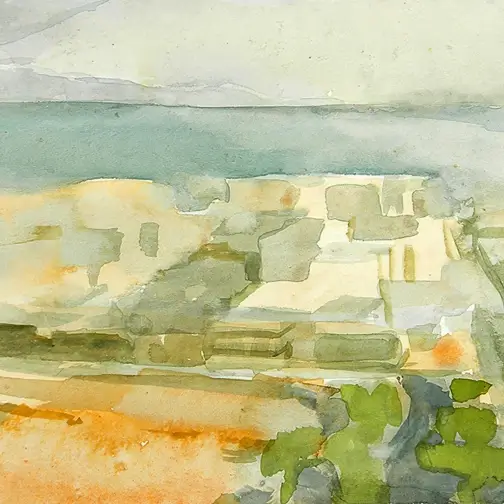


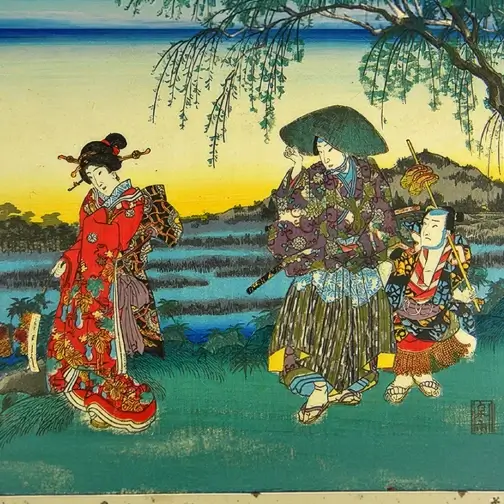
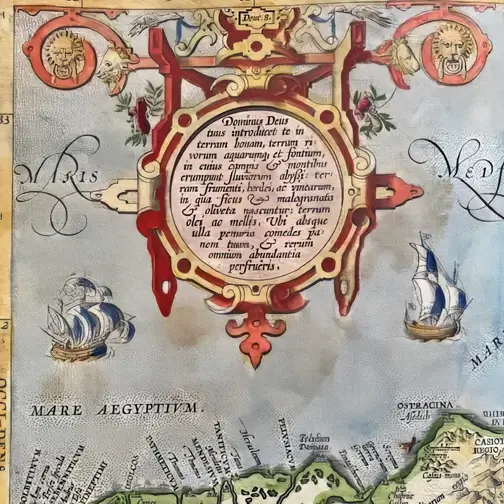
A PRINT is a work in which an image is transferred to paper from a worked plate or block. Three classical processes are distinguished: relief printing, where the raised parts of the block carry the ink, as in the woodcut and the wood engraving; intaglio, where the ink remains in the incised lines, as in the copperplate engraving, the etching and the mezzotint; and planographic printing, where printing and non-printing areas lie on one level, as in lithography.
Every sheet is part of an edition. The number of impressions, the paper, the condition of the plate and the state of preservation of the individual sheet determine its value. Impressions made before the published edition, so-called trial proofs, and impressions with margins or plate marks are valued more highly by collectors than trimmed copies.
Original prints must be distinguished from reprints and reproductions. A sheet counts as original if the artist printed it himself or supervised its printing. Later restrikes from old plates, photographic reprints and prints after other artists' designs may be perfectly good prints, but they are not originals.
Printmaking flourished between the 15th and 18th centuries. The woodcut carried book illustration into the 16th century; from the late 16th century the copperplate engraving made the finest lines possible and became the leading medium for atlases, maps and town views. Etching, in which the plate is bitten with acid, brought a freer, more draughtsmanlike line in the 17th century.
In the 19th century steel engraving, lithography and the machine-produced wood engraving displaced the older techniques from book and press illustration. Artistically, however, printmaking was revived around 1900, when artists rediscovered woodcut and etching as independent means of expression.
When collecting, the paper deserves attention: laid texture, watermarks and the quality of the impression reveal much about a sheet's date. Light, humidity and acidic papers damage old prints, and foxing and browning are usually signs of improper storage.
The sheets in this category range from 16th-century cartography to prints of the 20th century. For every object we state technique, artist, date and condition, and we are glad to answer questions about individual pieces in person.

